

Keep your home stress-free with a routine home cleaning checklist. Discover daily, weekly, and monthly tasks to maintain a spotless space!
A routine home cleaning checklist is a structured task system that divides home maintenance into daily, weekly, rotating, and monthly categories so nothing gets missed and nothing overwhelms you. Most people either clean reactively (when things look bad) or attempt a full-house overhaul on weekends, both of which waste time and energy. The layered approach used by cleaning experts like the American Cleaning Institute and Clean Mama proves that small, consistent efforts beat sporadic deep scrubs every time. If you want a home that stays genuinely clean without dreading your weekends, this checklist is where you start.
1. What a routine home cleaning checklist actually covers
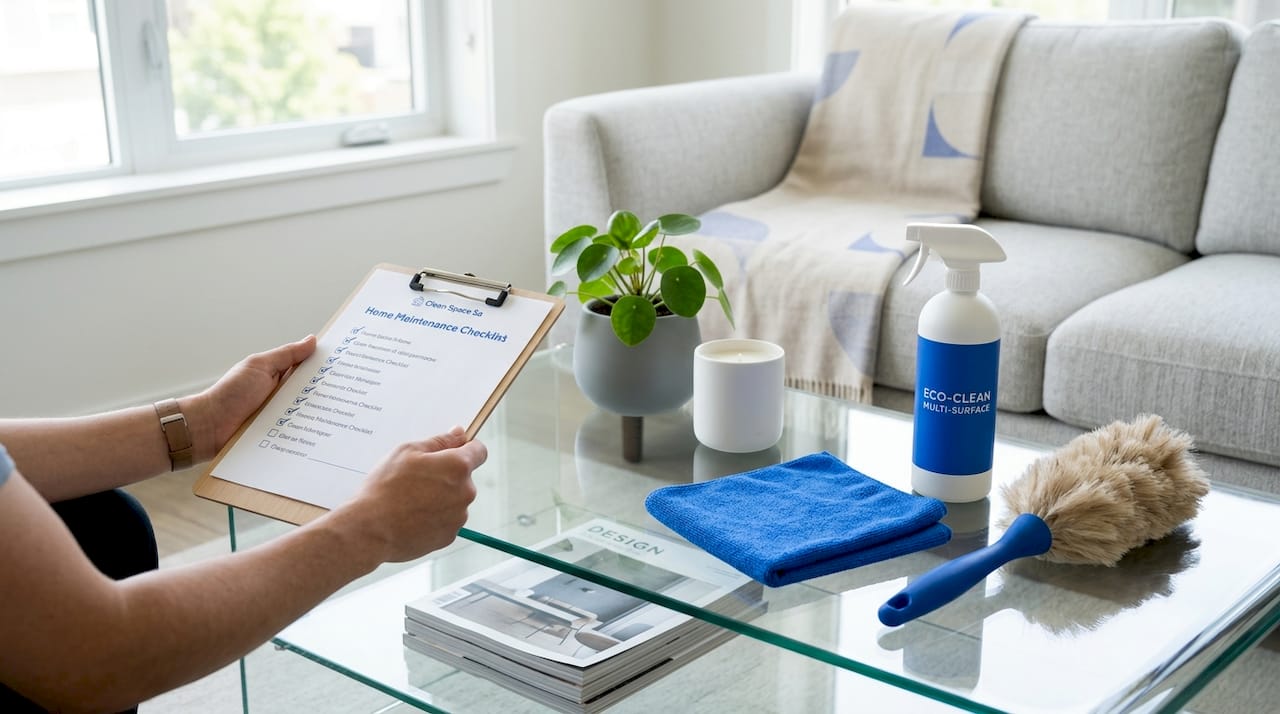
A routine home cleaning checklist covers four task layers: daily, weekly, rotating, and monthly. Each layer targets a different level of dirt accumulation and a different time investment. Daily tasks take five to fifteen minutes and focus on high-touch, high-visibility surfaces. Weekly tasks address rooms and fixtures that need a real refresh. Rotating tasks handle chores that matter but do not need weekly attention. Monthly tasks tackle the deeper work that keeps your home healthy over time.
Layering tasks this way preserves momentum and prevents the checklist fatigue that kills most cleaning routines. The key insight is that each layer feeds the next. When you wipe counters daily, your weekly kitchen clean takes half the time. When you vacuum weekly, your monthly floor maintenance is minimal. The system compounds.
2. How to structure your daily, weekly, rotating, and monthly tasks
The most effective structure sequences tasks so that effort builds gradually rather than piling up at the end of the week.
Daily tasks target what the American Cleaning Institute calls high-frequency, high-visibility areas: kitchen counters after meals, bathroom counters, dishes, and a quick floor sweep in the kitchen. These tasks take under fifteen minutes total and prevent visible mess from accumulating.
Weekly tasks cover rooms and surfaces that need a real refresh but do not get dirty fast enough to require daily attention. Think vacuuming, dusting, toilet scrubbing, and a wipe-down of the stovetop. Southern Living’s cleaning experts recommend spreading weekly tasks across specific days rather than cramming them into one session. Assign bathrooms to Tuesday, floors to Thursday, and kitchen appliances to Saturday. The load becomes manageable.
Rotating tasks are the underrated middle layer. These are chores like cleaning baseboards, wiping down cabinet fronts, or scrubbing the microwave interior. They do not need weekly attention, but skipping them for months creates visible neglect. Assign two or three rotating tasks per week and cycle through them.
Monthly tasks are your scheduled deep-clean moments. Windows, blinds, inside the refrigerator, and decluttering closets all belong here. Clean Mama’s 2026 schedule recommends adding monthly tasks only after daily and weekly habits are established, so you are not starting from zero every time.
Pro Tip: Write your weekly tasks on index cards, one per room, and pull two cards per cleaning session. You cover the whole house across the week without ever feeling like you are cleaning everything at once.
3. Core tasks for each frequency category
Here is a practical breakdown of what belongs in each layer of your home cleaning schedule.
Daily home cleaning tasks:
- Wipe kitchen counters and stovetop after cooking
- Wash or load dishes into the dishwasher
- Wipe bathroom sink and counter
- Do one load of laundry if needed
- Quick floor sweep in kitchen and entryway
- Make beds
Weekly home cleaning tasks:
- Vacuum all floors and rugs
- Mop hard floors
- Scrub toilets, sinks, and tubs
- Dust surfaces, shelves, and ceiling fans
- Clean mirrors and glass surfaces
- Wipe down kitchen appliances (exterior)
- Empty all trash cans
Rotating tasks (spread across weeks):
- Clean baseboards and door frames
- Wipe cabinet fronts and handles
- Scrub microwave interior
- Clean light switches and outlet covers
- Wash throw pillows and blankets
Monthly deep cleaning tasks:
- Clean inside the refrigerator and oven
- Wash windows and window sills
- Dust and wipe blinds
- Declutter one room or closet
- Clean under furniture and behind appliances
- Wash shower curtains and bath mats
| Frequency | Time investment | Primary focus |
|---|---|---|
| Daily | 10 to 15 minutes | High-touch surfaces and visible mess |
| Weekly | 1 to 2 hours total | Rooms, floors, and fixtures |
| Rotating | 15 to 30 minutes per session | Overlooked surfaces and appliances |
| Monthly | 2 to 4 hours | Deep cleaning and decluttering |
Martha Stewart’s daily cleaning guidance confirms that targeting bathroom counters and kitchen surfaces every day is the single most effective way to maintain a consistently clean home. The logic is simple: these are the areas guests see first and where bacteria accumulate fastest.
4. How to customize your cleaning schedule for your home and lifestyle
No two homes are the same, and a checklist that works for a single-person apartment in Alamo Ranch will not work for a four-bedroom house in Helotes with two kids and a dog.
Start by auditing your home’s actual problem areas. If your bathrooms are the biggest pain point, weight your weekly schedule toward them. If pet hair is constant, vacuum three times a week instead of one. The ACI’s preparation guidance recommends keeping cleaning supplies in a portable caddy so you carry everything room to room without backtracking. That single change cuts cleaning time noticeably.
Pro Tip: Set a timer for each room. Twenty minutes per room forces focus and prevents the common trap of spending an hour perfecting one bathroom while the rest of the house waits.
Here are practical ways to adapt your schedule:
- Split tasks across days rather than assigning all weekly tasks to one day. Monday handles laundry, Wednesday handles bathrooms, Friday handles floors.
- Assign age-appropriate chores to household members. Children over six can wipe surfaces, sort laundry, and empty small trash cans.
- Use a room-by-room checklist rather than a task-by-task list. Checking off an entire room feels more satisfying and reduces the chance of skipping areas.
- Prep your supplies the night before a scheduled cleaning session. A well-stocked cleaning caddy with microfiber cloths, an all-purpose spray, and a scrub brush covers most tasks without hunting for products mid-clean.
Establishing daily maintenance habits is the most reliable way to eliminate the need for exhausting, time-intensive deep cleaning sessions. Routine prevents dread.
5. Mold prevention and renter-specific monthly maintenance tasks
Mold prevention is not a separate project. It belongs inside your routine home cleaning checklist as a non-negotiable monthly layer, especially in San Antonio’s humid climate.
The EPA’s indoor air quality guidance is direct: fix water leaks quickly, keep indoor humidity below 60%, and clean mold with detergent and water rather than biocides, which carry their own health risks. Mold issues are best managed proactively through moisture control, not reactionary scrubbing after the problem appears.
“The key to mold control is moisture control.” — U.S. Environmental Protection Agency
Drying wet areas promptly is the step most people skip. After showering, run the bathroom fan for at least fifteen minutes. After mopping, open windows or run a fan. If a pipe drips or a window leaks during a storm, dry the area within 24 to 48 hours. The EPA recommends using fans or dehumidifiers immediately after any water exposure as a critical but often overlooked prevention step.
For renters specifically, a monthly 15-minute maintenance routine covers the tasks that protect both your health and your deposit:
- Check under sinks for slow leaks and notify your landlord in writing if found
- Test smoke detectors and replace batteries if needed
- Swap out HVAC air filters (typically every 30 to 90 days)
- Inspect bathroom caulk and grout for early mold signs
- Run water in rarely used sinks or tubs to prevent drain buildup
Documenting these checks protects renters during move-out inspections. A quick photo of a replaced filter or a text to your landlord about a dripping faucet creates a paper trail that can protect your deposit and prevent disputes with property management.
Key takeaways
A routine home cleaning checklist works because it distributes effort across daily, weekly, rotating, and monthly tasks, preventing both visible mess and hidden health hazards from accumulating.
| Point | Details |
|---|---|
| Layer your tasks by frequency | Daily, weekly, rotating, and monthly categories prevent overwhelm and keep every area covered. |
| Prioritize high-touch surfaces daily | Kitchen counters, bathroom sinks, and floors need daily attention to stop bacteria and mess from building. |
| Moisture control belongs in your routine | Keep humidity below 60% and dry wet areas within 48 hours to prevent mold growth. |
| Customize for your household | Split tasks across days, involve family members, and weight your schedule toward your home’s actual problem areas. |
| Renters need a monthly maintenance layer | Leak checks, smoke detector tests, and filter swaps protect health, property, and security deposits. |
Why I stopped dreading cleaning (and what actually changed)
I used to treat cleaning as a single weekly event, which meant every Saturday felt like a punishment. The house would reach a visible tipping point, I would spend three hours fixing it, and by Wednesday it looked bad again. The cycle was exhausting and demoralizing.
What changed was sequencing. I started cleaning from the far corner of each room toward the exit, which sounds trivial but eliminates the frustrating habit of re-contaminating surfaces you just cleaned. I also started decluttering before cleaning rather than cleaning around clutter. The ACI’s guidance on spot-cleaning and clearing clutter first is correct: cleaning around objects wastes effort and produces worse results.
The bigger shift was accepting that a clean home is maintained in minutes per day, not hours per week. Regular cleaning genuinely lowers stress by keeping the environment orderly, and that benefit compounds. When your home is consistently tidy, you stop dreading having people over, you find things faster, and you spend less mental energy on background guilt about the state of your space.
My honest advice: start with just the daily layer for two weeks before adding weekly tasks. Build the habit before building the list. And if your monthly deep cleaning feels like too much, that is a signal to either simplify your space or bring in professional help for those sessions.
— Jean
When your routine needs a professional boost
Even the most consistent routine home cleaning checklist has limits. Seasonal deep cleans, post-renovation cleanup, and the kind of thorough scrubbing that gets behind appliances and inside vents require time and equipment most households do not have on hand.
Clean Space SA serves homeowners and renters across Leon Valley, Helotes, and Alamo Ranch with residential cleaning services designed to complement your routine, not replace it. Whether you need a one-time deep clean to reset your home before the holidays or a recurring service that handles the heavy work while you maintain the daily tasks, Clean Space SA’s background-checked team delivers consistent, professional results. You can also explore the full deep cleaning checklist to understand exactly what a professional session covers before you book.
FAQ
What is routine home cleaning?
Routine home cleaning is a structured system of recurring tasks divided by frequency, typically daily, weekly, and monthly, designed to maintain a consistently clean and healthy living environment without requiring intensive effort in any single session.
How often should I clean each room?
High-use rooms like kitchens and bathrooms need daily surface attention and a thorough weekly clean. Bedrooms and living areas typically require weekly vacuuming and dusting, with monthly attention to windows, blinds, and under furniture.
What should go on a daily cleaning checklist?
Daily tasks should cover kitchen counters, dishes, bathroom sinks, a quick floor sweep, and bed-making. The American Cleaning Institute recommends targeting high-touch and high-visibility surfaces every day to prevent mess from compounding.
How do renters benefit from a monthly maintenance checklist?
Renters who complete monthly tasks like leak checks, smoke detector tests, and air filter swaps can prevent property damage, protect their health, and document maintenance activity that supports deposit recovery at move-out.
How do I stop feeling overwhelmed by cleaning?
Spread weekly tasks across multiple days rather than one session, and start with only daily habits before adding weekly or monthly tasks. Clean Mama’s layered scheduling approach shows that gradual habit-building produces more consistent results than attempting a full routine from day one.
Recommended
- Residential Cleaning – Clean Space Sa | commercial cleaning | San Antonio, TX, USA
- Your San Antonio House Cleaning Supplies Checklist for 2026
- Why Homes Need Deep Cleaning for a Healthier Life
- Move-In / Move-Out Cleaning – Clean Space Sa | commercial cleaning | San Antonio, TX, USA
Jean runs growth strategy at AimSetWin, a performance marketing agency specializing in local service businesses across Texas. he's helped plumbers, HVAC companies, pest control operators, and home service brands build predictable revenue systems using data-driven advertising and conversion optimization.


